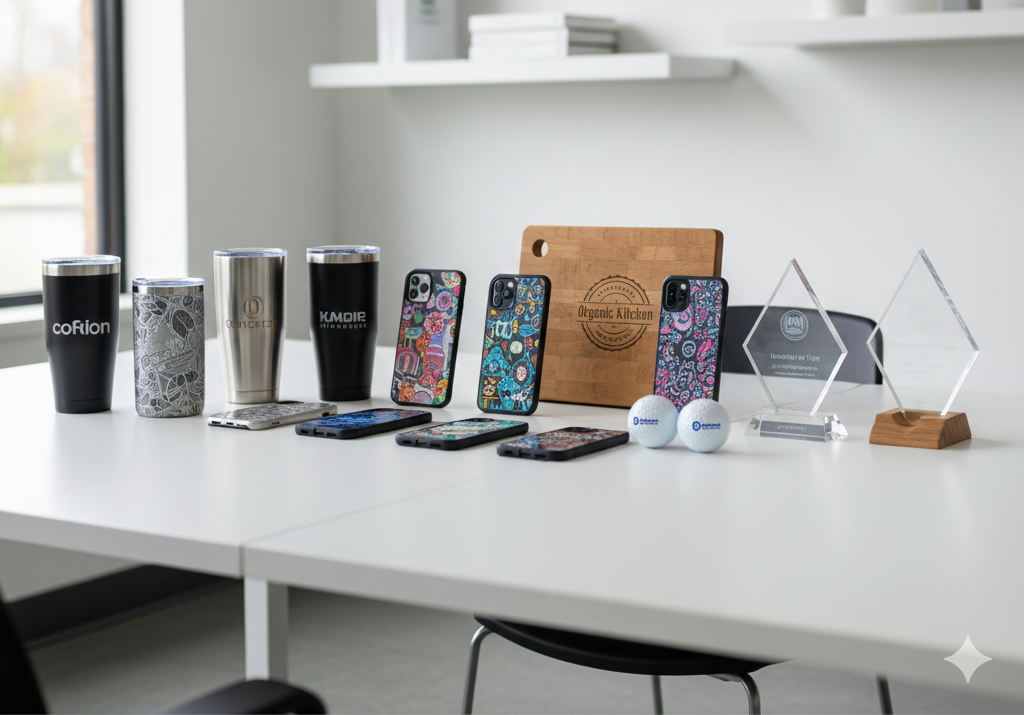
SAGA CNC's digital cutting range is now available locally through GZ Australia, installed and supported the same way our printers are. It's a huge step forward for short-run packaging, labels and signage: a UV flatbed and a camera-registered cutter turn one file into a printed, creased and cut product, with no die and no minimum run.
SAGA CNC and GZ Australia - the partnership
We've finished the agreement and the training with SAGA CNC, and we're proud to announce that GZ Australia is now an official SAGA CNC partner in Australia.
SAGA CNC's range comes in three main categories: cutters, plotters and trimmers. The cutters cover flatbed digital cutters, sheet cutters with automatic feeding and roll-to-roll label cutters. The cutting plotters contour-cut vinyl and roll media. The trimmers slit and cross-cut DTF film and printed rolls. Eleven cutters and trimmers are on our website now, chosen because they sit naturally behind the printers we already sell, and the plotters and the rest of the SAGA CNC catalogue are available through us on request.
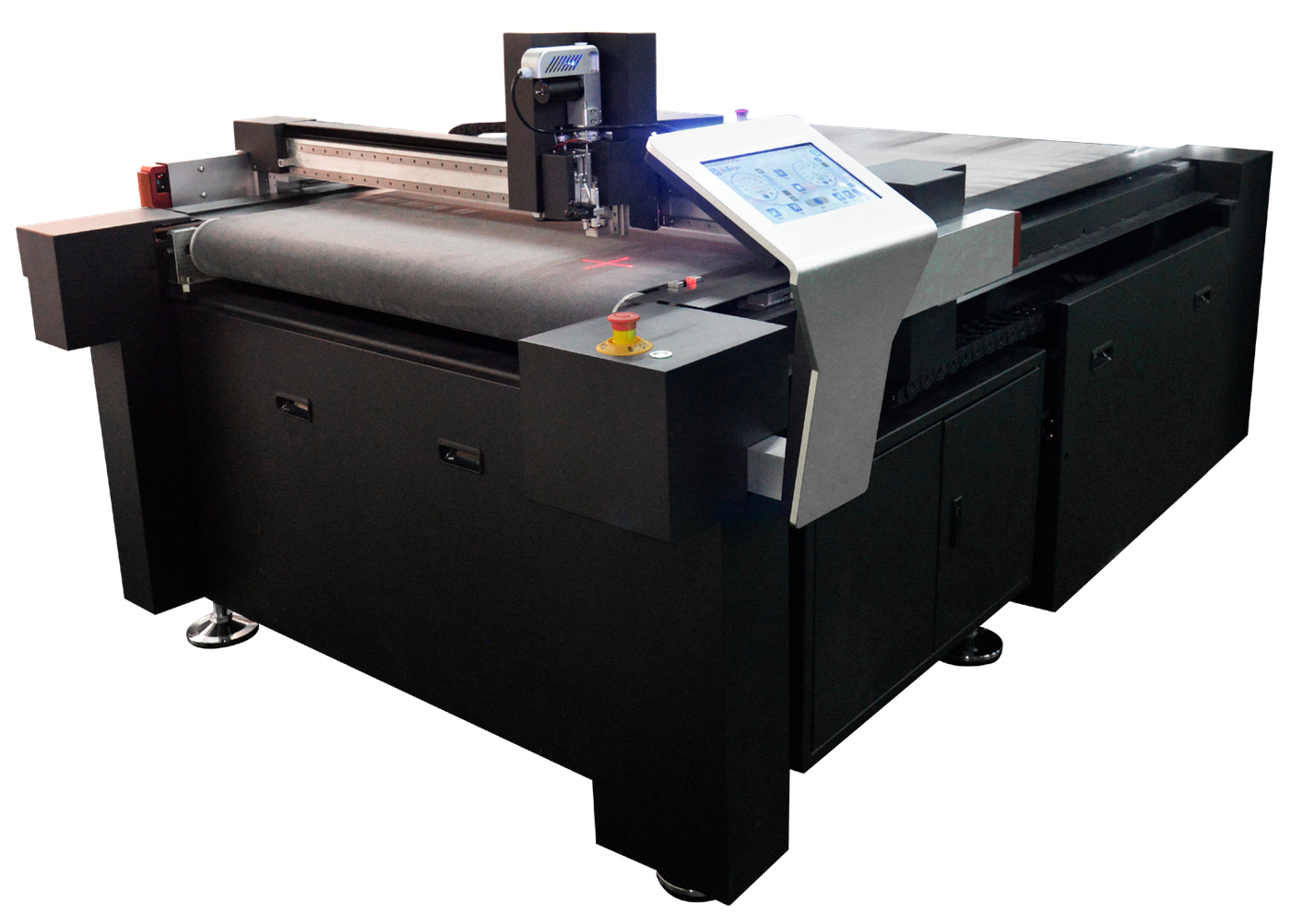
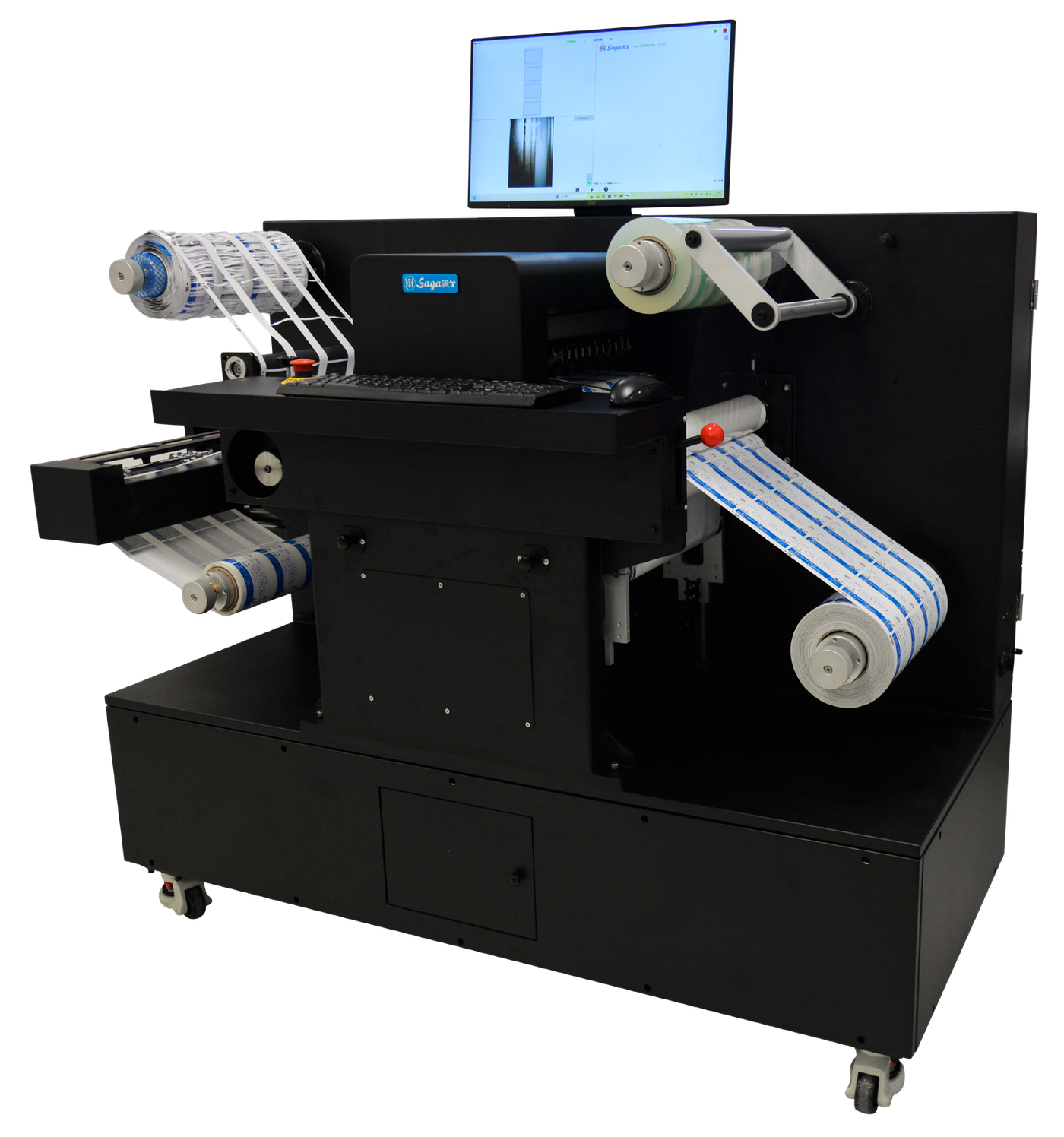
Every machine comes the same way our printers do: on-site installation, training and support from the same people you bought the printer from. Training happens on your own artwork and your own stock, because that's the only way anyone learns a cutter. Blade depth, creasing force and which side of the board to crease from all change with the material, and they're worked out on your jobs, not on a demo sheet.
Print and cut - where the margin has been sitting
A UV flatbed sells a printed sheet. A flatbed with a cutter behind it sells a finished product, and the finished product is where the margin sits. Most shops with a flatbed already print for the people who buy packaging, labels and point-of-sale. The cafe that orders stickers also needs the coffee box. The candle maker who orders labels also wants a gift sleeve. The sign customer wants a counter display that matches the fascia. Until now that work went to a trade converter with a die, a minimum and a fortnight's wait, or it didn't happen at all.
Short-run packaging has been a specialist's job because the tooling made it one. A cutting die is made for one box, it costs money before the first sheet is cut, and a thousand-unit minimum sends the small runs interstate, offshore or nowhere. Digital cutting takes the die out. Once a local print shop can turn fifty printed boxes around before breakfast, with a sample on the counter in minutes, the customer stops accepting a minimum for something they'll change next season. Small product brands change designs constantly, run seasonal packs and want to hold one before they order fifty.
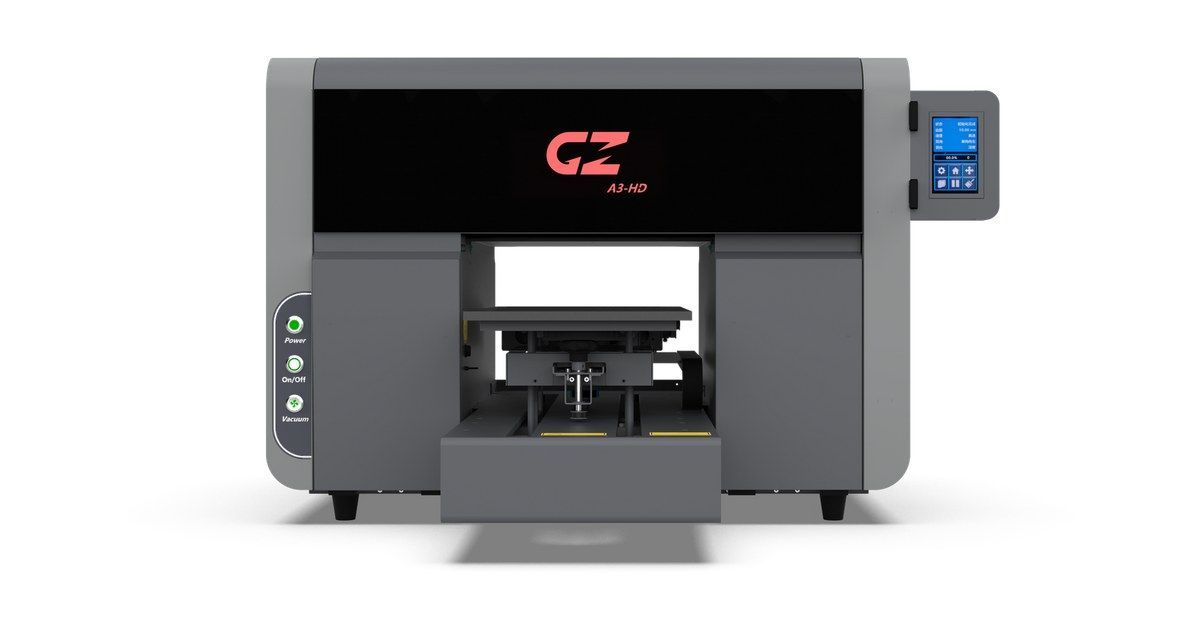
For a shop already running a GZ flatbed, a cutter is the smallest step that adds a whole product line. It runs on the same files and the same operator, and turns the sheet you're already printing into something you charge for as a finished piece: a sleeve, a carton, a sticker sheet, a hang tag, a short run of labels. A lot of conversations about an A3HD or a 6090 end with "and can I cut it?" Now the answer is yes, with the same support behind it.
How digital cutting works - file, print, register, crease, cut
The cut and crease lines live in the same file as the artwork. You draw them in CorelDRAW or Illustrator with the SAGA CNC plug-in , or bring in a dieline from the box design tool further down, and registration marks go into the corners of the sheet. The sheet then prints as normal on the UV flatbed, marks and all. There's no change to your RIP.
On the cutter, a vacuum table holds the sheet flat and a CCD camera reads the marks before the first cut. The camera matches the cut path to where the print actually sits, so a sheet that's gone on slightly skewed still cuts to the artwork. Several of the machines also read a QR code on the sheet, which tells the cutter which job it's looking at, so a stack of mixed jobs can run without someone picking the file each time.


The tool head carries the blade and the creasing tool together, so creasing and cutting happen in one pass without a tool change. Force is set separately for each tool. On the FCT6698, creasing and blade force both run to 1,900 gf in 10 gf steps; on the ASC2312 the creasing wheel runs to 2,500 gf. That's what puts a proper fold line into heavy board rather than a scuff mark.
Blade force is also what separates the two kinds of cut. A kiss cut goes through the face stock and stops at the liner, so a sticker sheet comes off as peelable stickers. A through cut goes all the way, for cartons, tags and shaped pieces. Too little force and the sticker won't lift; too much and you're through the liner and the sheet falls apart on the bench. Setting force per tool is what makes it repeatable, and the camera puts the cut back on the print on every sheet, not just the first one.
Design the box first - the SAGA CNC box design tool
Most packaging jobs start with a question about the box, not the print: which style, what size, what board. SAGA CNC has a browser-based box design tool that answers it before anything is printed, and for anyone new to packaging it's one of the most useful parts of the range.
You start in the model library: tuck-end cartons, snap-lock bottoms, mailer and shipping boxes, window boxes, pillow boxes, drawer boxes, carry bags, envelopes, sleeves, cards and tags, around ninety templates in all. Pick one and enter the length, width and depth in millimetres, plus the board thickness. The dieline redraws as you type, with the panels, tuck flaps, glue tab and fold lines resized to suit. You can work to the inside size, the outside size or the manufacturing size, which matters when a product has to sit snugly in the box.


From there the design studio puts artwork onto the flat box. Backgrounds, text, shapes, logos, QR codes and barcodes go straight onto the faces, with a 3 mm bleed, separate outside and inside faces, and a preflight check before you export. Then the 3D preview folds the box up on screen. You can turn it, open and close it, and check that the artwork reads the right way up on every panel before a single sheet is printed.


When it's right, the tool exports the files the job needs: a print PDF for the printer, and the cutting file for the cutter, in CutArtist format (SAGA CNC's cutting software), as an Illustrator or CorelDRAW SVG, or as PLT process lines. From there it's the workflow above: marks on the sheet, print, then crease and cut. The box you drew on screen is the box that comes off the cutter.

We'll take you through the tool on your first packaging job, so the dieline, the artwork and the cutter settings are worked out together.
Packaging - print the face, crease the reverse
UV printing puts the artwork straight onto the board: no laminate, no drying time, and the design can change between one box and the next at no extra cost. That's what makes the summer pack, the winter pack and the one-off sample all workable. Sleeves, folding cartons, presentation boxes, mailer boxes, counter displays and sample packs all come off the same two machines, and each one is a job that used to leave the building.

Reverse creasing is the detail that makes printed board fold well. The crease is formed from the back of the sheet, so the fold line sits on the inside of the box and the printed face wraps cleanly around the outside. On UV printed board it also keeps the creasing wheel off the printed face. The SC-U3 and the ASC530A01 both crease from the back, and on the SC-U3 the upper and lower creasing wheels can be swapped, so the same machine creases from the front or the back depending on the job.
Test the board and the cured ink together before a production run. Board thickness, coating, grain direction and crease settings all change how a fold behaves, and reverse creasing doesn't make a rigid ink flexible. Cut, crease and fold a sample, including any artwork that crosses a fold, and check the printed surface and the fit before running the batch.
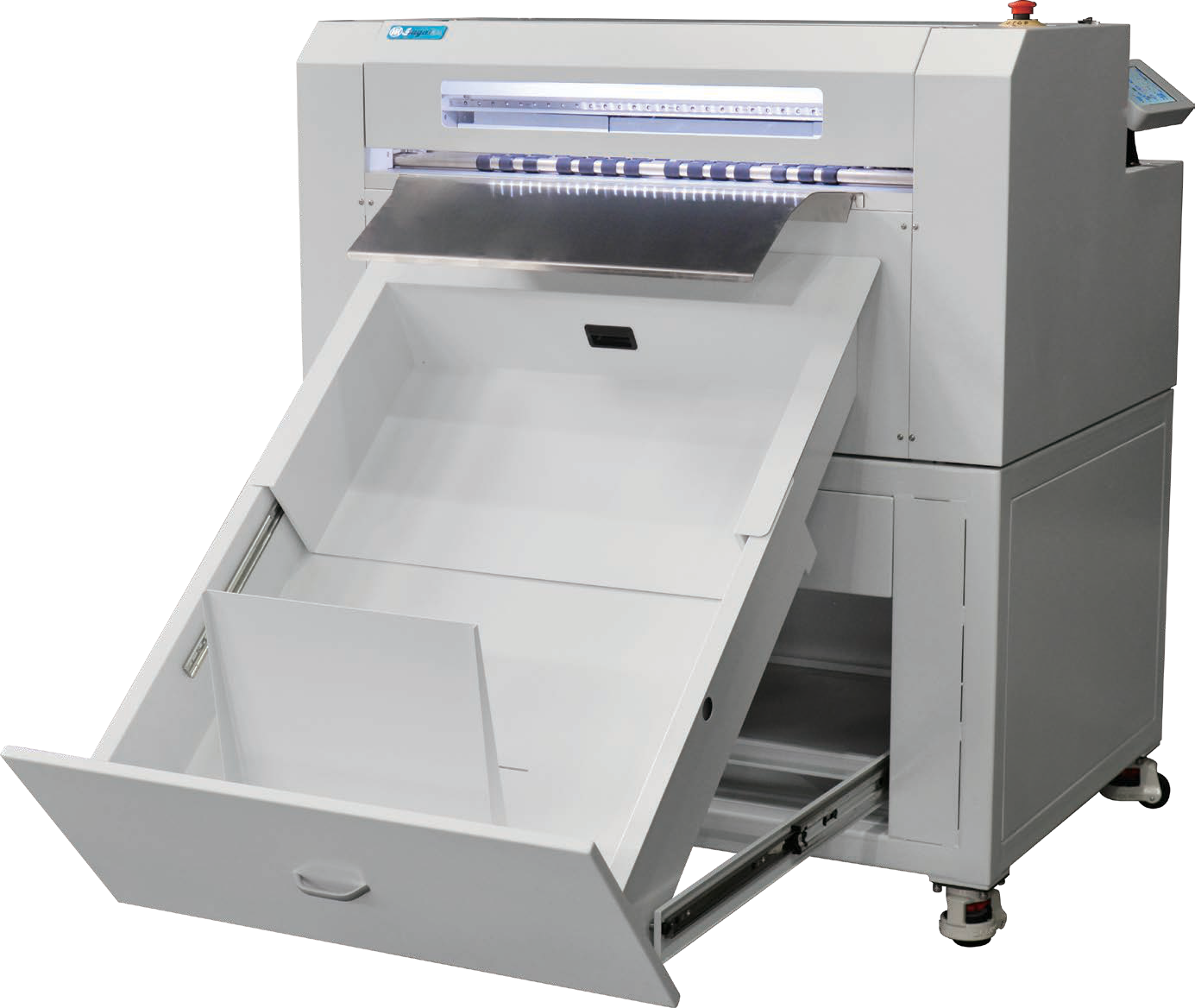
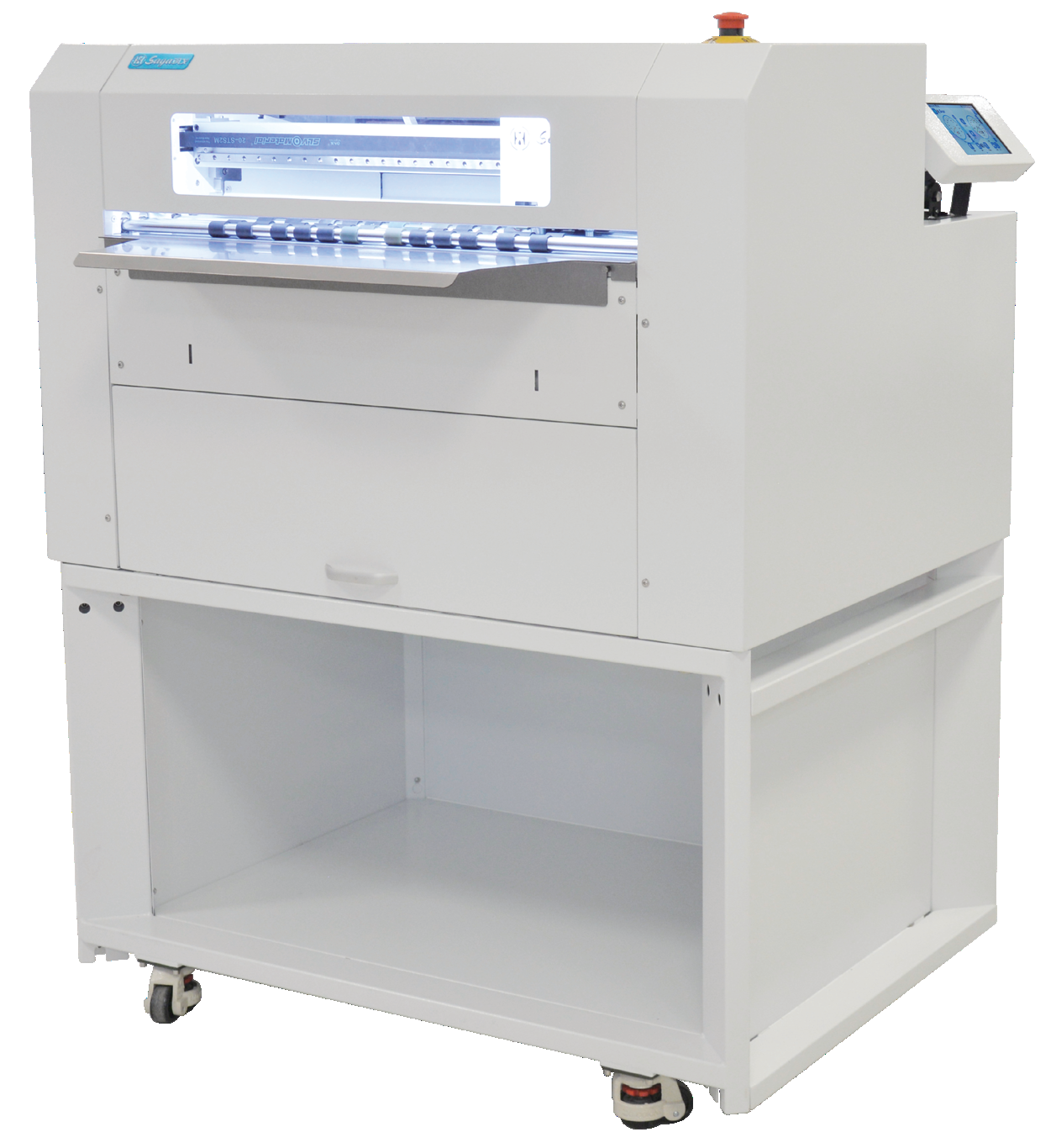
The SC-U3 is where we'd start most shops on packaging. It cuts and creases sheets up to 600 x 800 mm in card from 120 to 400 gsm, feeds from a stack about 95 mm deep under vacuum, and reads marks and QR codes by camera. The ASC530A01 takes 530 x 740 mm sheets of 250 to 400 gsm card off a stack and creases from the back, for sleeves and cartons in volume behind a 6090-class flatbed. The FCT6698 is the flatbed for the full sheet: 650 x 1020 mm with a rotary tangential blade, rated for 600 gsm card, 3 mm corrugated and 3 mm foam board.
For production packaging behind an H1612EI or H2513GN, the FC-1290SF and the FC-100D1 cut 1000 x 1290 mm with five tool holders, including a V cutter for grooving thick board so it folds square, and a vibrating knife for corrugated. The FC-100D1 adds a pallet feeder loaded by forklift and a built-in roll feeder, and works board up to 7 mm.
Stickers, cards and labels - kiss cut to the liner
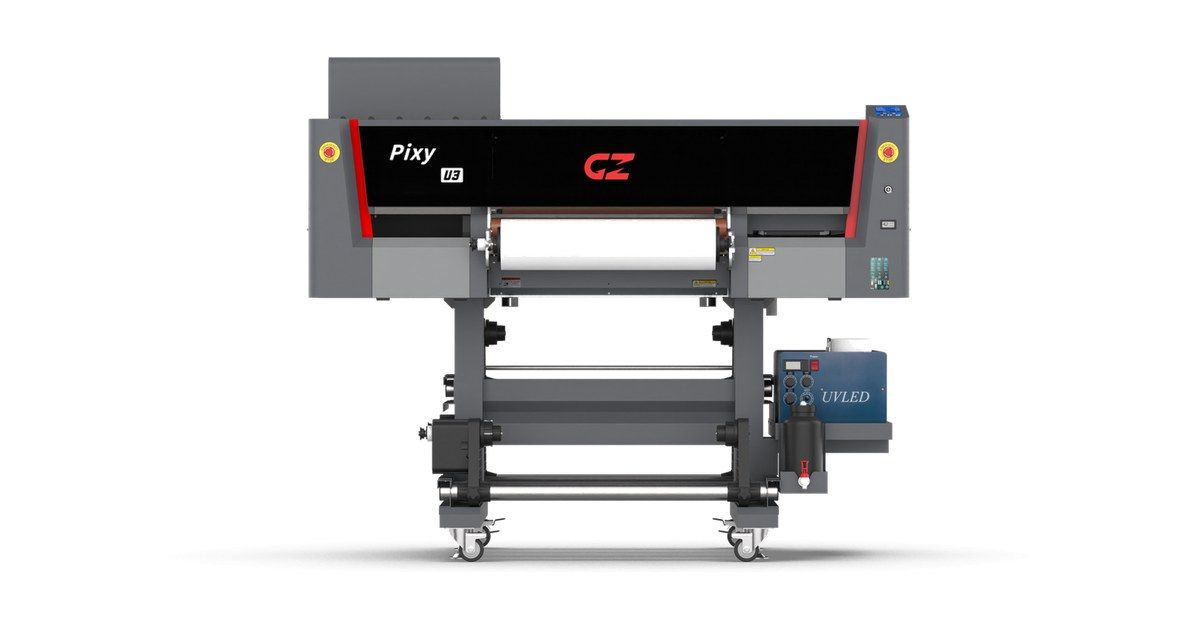
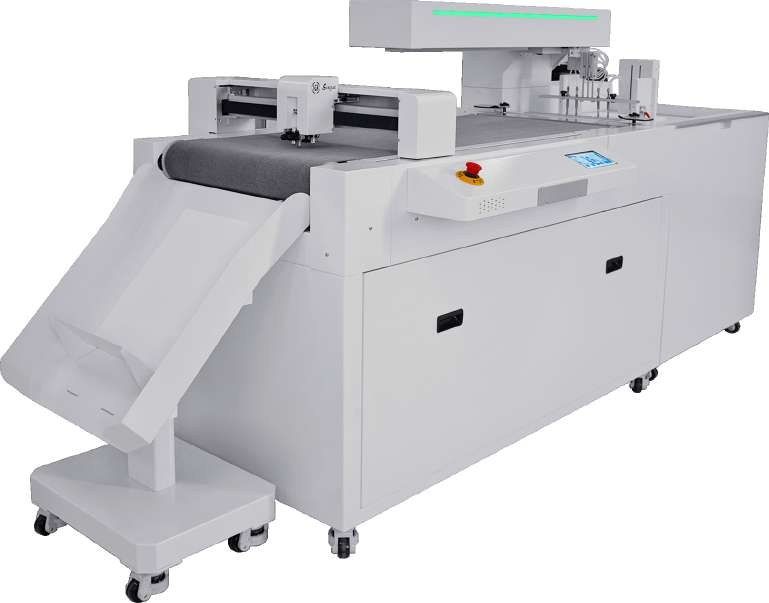
Off the A3HD's UV DTF attachment, a Pixy U3, or any flatbed printing adhesive stock, sticker work is a kiss cut on a sheet. The ASC2312 handles long sheets up to 330 x 740 mm, kiss-cuts sticker sheets and creases card with a 2,500 gf wheel, so tags, swing tickets, table cards and packaging samples come off the same machine as the stickers. The ASF420 adds a pneumatic auto feeder over a 430 x 672 mm bed, for stacks of cards, sticker sheets and small cartons that run while you're doing something else.
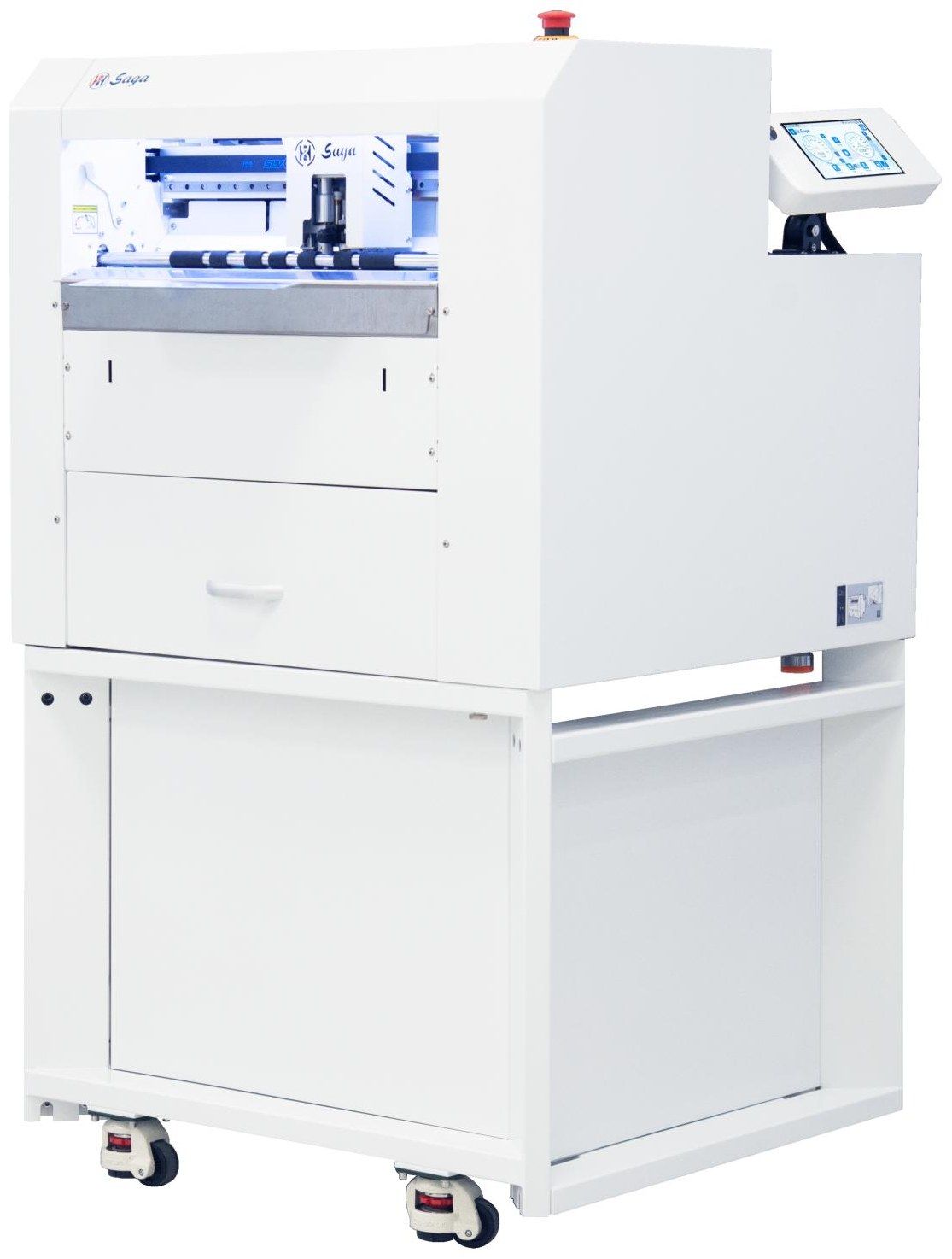
Roll labels are a different machine. The LC2409A runs roll to roll: it cold-laminates , reads the marks by camera, contour-cuts with two tool carriages working at once, strips the waste, slits and rewinds, in one pass, on kraft, PVC, PET, coated and synthetic label stock. If you've been sending short label runs out to a trade finisher, this is the machine that brings them back in, and labels are repeat work: the same customer, the same file, every month.
Plotters and trimmers - roll work, cut to shape or cut square
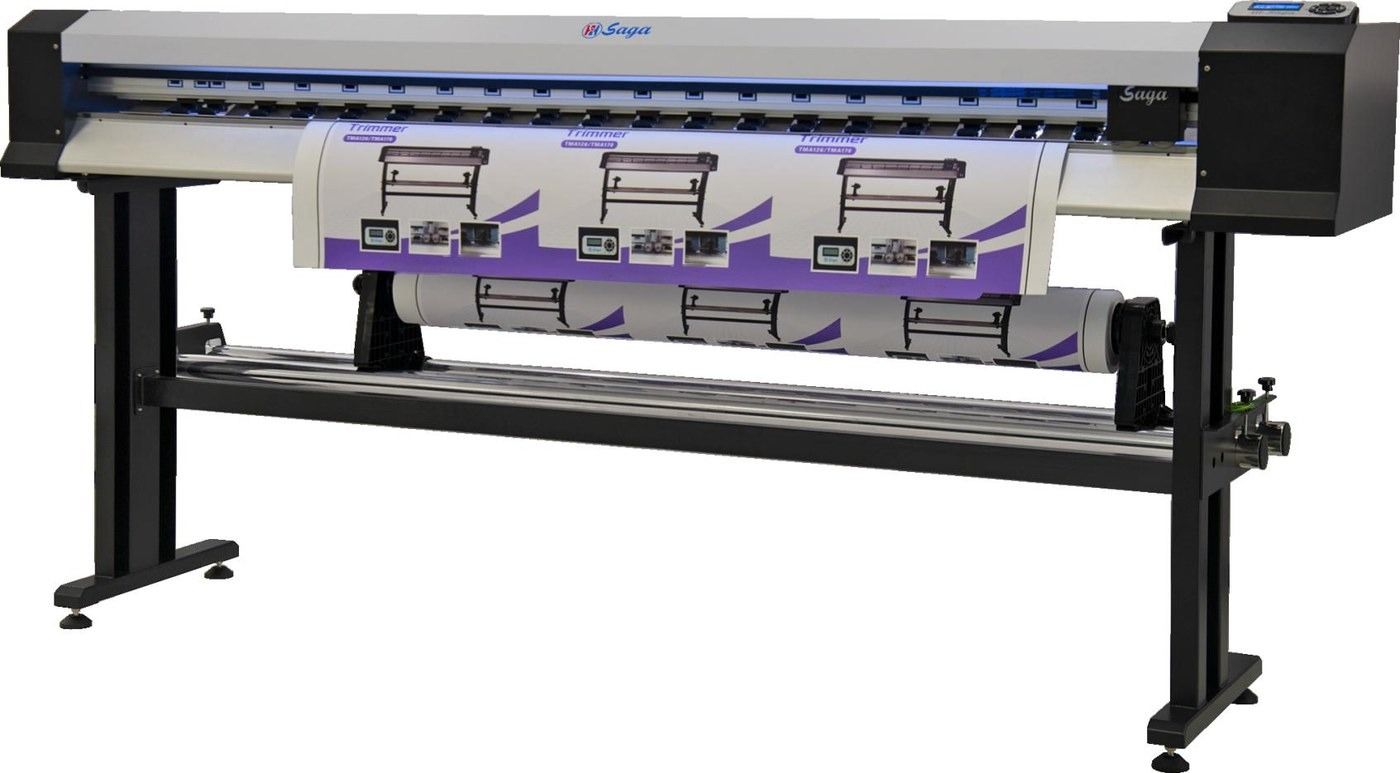
For vinyl and roll graphics, SAGA CNC's cutting plotters contour-cut lettering vinyl, wall decals, car film and heat transfer film coming off a ThunderJet roll printer, with a camera reading the marks so the cut follows the print. They're available on request while their pages go up on the site.
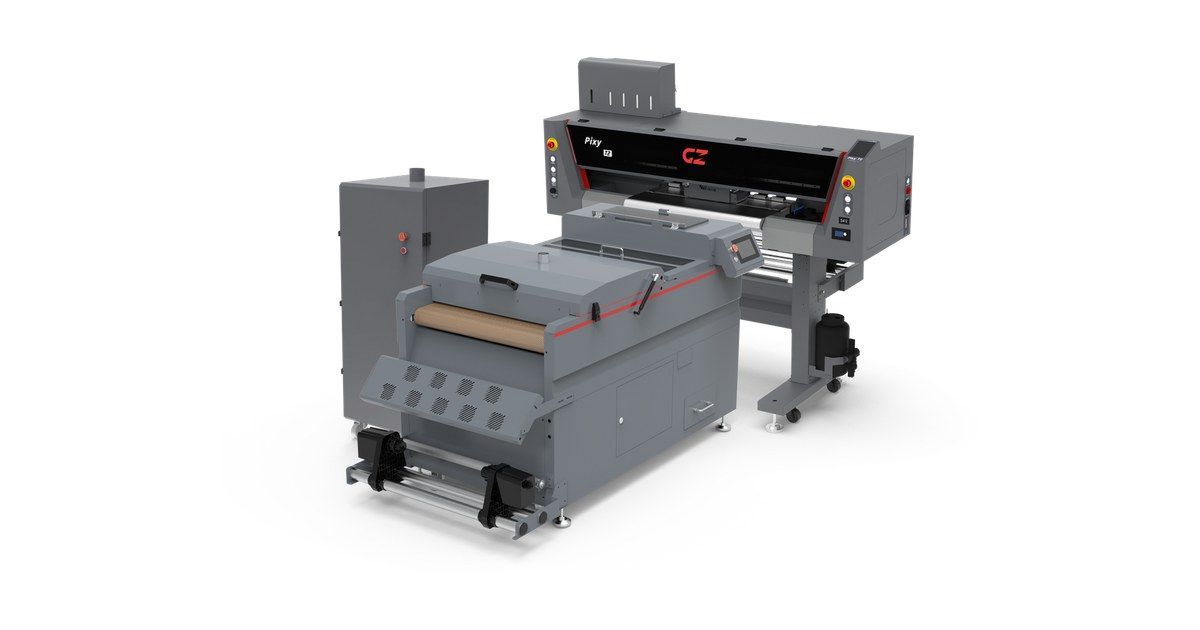
On the apparel side, transfers come off a Pixy T2, T4 or T5 as a roll, and somebody with scissors usually turns them into pieces the press can take. The TM800B DTF trimmer slits and cross-cuts DTF film up to 800 mm wide with a double round knife and slitting knives, so gang-sheet sections and transfers come off straight-edged and ready to press. The shaker bridge version takes the film as it feeds from the shaker, which removes the separate roll hand-off before finishing. We check the shaker connection with you before it ships.
For square cuts on wide rolls, the TM1600B-XY slits along and cuts across soft media up to 1600 mm wide and 0.6 mm thick: PP, photo paper, light-box cloth and wallcovering off a ThunderJet or Apsaras roll printer. A printed roll becomes square panels ready to pack or hang, without a straight edge and a knife.
Which SAGA CNC machine behind which printer
Most people reading this already own the printer, so here's the range by job. Find the work you're turning away and read across. Cut areas are the maximum cutting size from SAGA CNC's datasheets.
| Machine | Cut area | Best for | From |
|---|---|---|---|
| SC-U3 sheet cutter | 600 x 800 mm | Card packaging, tags and table cards, creased from the back | Contact us |
| ASC530A01 sheet cutter | 530 x 740 mm | Sleeves and cartons off a stack, behind a 6090-class flatbed | $17,990 |
| ASC2312 sheet cutter | 330 x 740 mm | Sticker sheets, cards and packaging samples | $10,990 |
| FCT6698 flatbed cutter | 650 x 1020 mm | Full-sheet cartons, POS and foam board | $12,990 |
| ASF420 auto-feed flatbed | 430 x 672 mm | Unattended stacks of cards, sticker sheets and small cartons | $22,990 |
| FC-1290SF flatbed cutter | 1000 x 1290 mm | Cartons and display packaging with V-grooving | Contact us |
| FC-100D1 auto-feed flatbed | 1000 x 1290 mm | Continuous production packaging, pallet and roll feed | Contact us |
| LC2409A label cutter | 330 x 300 mm | Short-run roll labels finished in-house | $24,990 |
| TM800B DTF trimmer | 800 mm | DTF film slit and cross-cut into straight pieces | $6,990 |
| TM800B DTF trimmer with shaker bridge | 800 mm | DTF film cut as it feeds from the shaker | $7,990 |
| TM1600B-XY trimmer | 1600 mm | Soft roll media squared into panels | $6,990 |
| Cutting plotters | By model | Lettering vinyl, decals and heat transfer film, contour cut by camera | Contact us |
Prices are ex GST, plus freight. Contact us means priced on request.
If your printer isn't covered, or you run two, tell us what you're printing and we'll match it.
Choosing the right setup
Does every SAGA CNC cutter crease from the back?
No. On the site today the SC-U3 and the ASC530A01 crease from the back, and the SC-U3 can switch between front and back. Tooling varies by model, so we confirm the setup for your board and the folds you need.
What board weight will it crease?
It depends on the machine. The FCT6698 and the ASF420 are rated to 600 gsm card, the ASC530A01 to 250 to 400 gsm and the SC-U3 to 120 to 400 gsm. A clean fold comes from the right wheel at the right force, so we set it up on your stock.
Do I need new software or a different RIP?
No RIP change. Cut and crease lines are drawn in CorelDRAW or Illustrator with the SAGA CNC plug-in , and each cutter runs on SAGA CNC's own cutting software. The box design tool exports straight to the CutArtist format.
Will it cut what my A3HD prints?
Yes. Every sheet cutter on the site takes a full A3HD sheet with room for the registration marks, from the ASC2312 at 330 x 740 mm upwards. For boxes off an A3HD, the SC-U3 creases from the back.
What should I send for a recommendation?
The material, the finished size and the quantity are a good start. For packaging, include the design file if you have one, or the box style and size. For roll graphics, tell us the roll width and the cuts you need.
Tell us what you'd like to make: the material, the finished size and roughly how many. Email info@gzaustralia.com and we'll match the cutter, the tooling and the box design to the job.
Specifications from SAGA CNC factory datasheets. Machine photography and box design tool screenshots: SAGA CNC.